


Why Your Insurance Rates Might Be Higher Than Expected
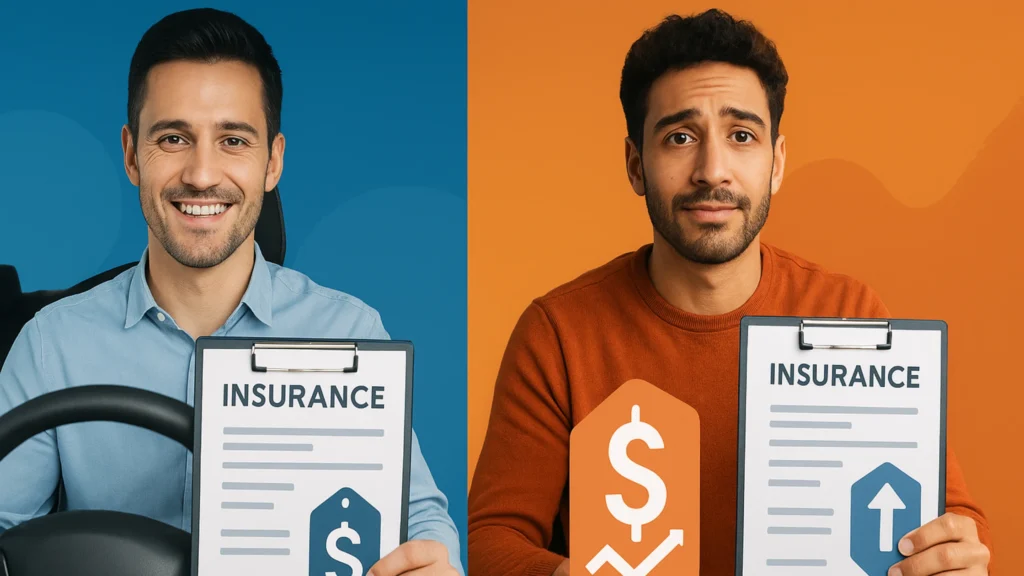
Have you been quoted sky-high premiums for car insurance or, worse, been denied coverage altogether? You’re not alone. Millions of American drivers fall into a category insurers call “non-standard,” often paying 50-100% more than standard policyholders. But here’s the good news: understanding non-standard auto insurance is your first step toward finding affordable coverage that meets your needs.
Whether you’re a new driver, recovering from a DUI, or simply had a lapse in coverage, this comprehensive guide will show you exactly what non-standard insurance is, why you might need it, and how to get the best rates available in 2025.
What Is Non-Standard Auto Insurance?
Non-standard auto insurance is specialized coverage designed for drivers whom insurance companies consider higher risk than the average policyholder. This type of insurance usually has higher premiums than standard policies due to the greater likelihood that the insurer will need to pay claims.
Here’s what makes it different: while the coverage types remain essentially the same as standard policies (liability, collision, comprehensive, and medical payments), the premiums reflect the increased risk you pose to the insurance company.
The Reality of Risk Assessment
The definition of risk is subjective and varies from insurer to insurer, and not all companies offer non-standard auto insurance. What one company considers high-risk might be acceptable to another, which is why shopping around becomes crucial for non-standard drivers.
Who Needs Non-Standard Auto Insurance? 8 Common Scenarios
Understanding whether you fall into the non-standard category helps you set realistic expectations and find the right coverage. Here are the most common situations:
1. New and Young Drivers
Young drivers and inexperienced drivers are often considered riskier to insure because they have a greater likelihood of being involved in accidents. If you’re under 25 or just got your license, expect to be classified as non-standard initially. According to 2025 data, 18-year-olds on standalone policies pay an average of $6,687 annually for full coverage, nearly triple the clean-record average of $2,458.
2. Drivers with Traffic Violations
Multiple speeding tickets, reckless driving citations, or other moving violations on your record signal to insurers that you’re more likely to file claims. Most insurance companies review your driving history from the past three to five years when determining your risk level.
3. DUI or DWI Convictions
Driving under the influence (DUI) without a license or without insurance can require non-standard coverage. A DUI conviction can increase your annual premium by an average of $2,000-$3,000, with some drivers paying even more depending on their state and circumstances.
4. Suspended or Revoked License
If your license has been suspended or revoked, you’ll need an SR-22 certificate (discussed below) and likely qualify only for non-standard coverage.
5. Coverage Gaps
Failing to maintain continuous auto insurance makes drivers riskier to insure. Even a single day without coverage could put you in this risk category. Insurers want to see at least six months of continuous coverage before considering you for standard rates.
6. Poor Credit History
In most states, insurance companies use credit-based insurance scores to determine rates. Poor credit can significantly increase premiums or push you into the non-standard category, even with a clean driving record.
7. Multiple At-Fault Accidents
A history of at-fault accidents suggests you’re more likely to file future claims, making you a higher financial risk to insurers.
8. Foreign Drivers Without U.S. History
A visitor or temporary resident may not be eligible for standard auto insurance because they have no driving history in the United States.
Understanding SR-22 Insurance: The Certificate That Changes Everything
An SR-22 isn’t actually insurance; it’s a certificate proving you carry your state’s minimum required coverage. Needing an SR-22 is one reason an insurance company may determine that you require non-standard coverage.
States typically require SR-22 certificates for:
- DUI or DWI convictions
- Multiple traffic violations within a short period
- Driving without insurance
- At-fault accidents while uninsured
- License suspension or revocation
The SR-22 requirement usually lasts between one and five years, depending on your state and offense. For example, Washington requires drivers to maintain an SR-22 for three years in most cases. During this time, your insurance company files the certificate with your state’s DMV, and any lapse in coverage gets reported immediately, which can result in additional penalties or license suspension.
How Much Does Non-Standard Auto Insurance Cost? Real Numbers from 2025
The cost of non-standard insurance varies dramatically based on your specific risk factors and location. Here’s what drivers are paying on average:
National Averages by Driver Profile
- Clean Record: $2,458/year
- Coverage Lapse: $2,705/year (10% increase)
- Speeding Ticket: ~$3,200/year (30% increase)
- DUI Conviction: $4,713/year (92% increase)
- 18-Year-Old Driver: $6,687/year (172% increase)
State-by-State Variations
Insurance costs vary significantly by state. Here are some examples for a 35-year-old single driver with different risk factors:
| State | Clean Record | Speeding Ticket | DUI | At-Fault Accident |
| California | $3,040 | $4,106 | $6,372 | $4,762 |
| Florida | $3,795 | $4,530 | $4,863 | $4,682 |
| Texas | $2,551 | $3,156 | $3,847 | $3,612 |
| New York | $3,697 | $4,289 | $5,123 | $5,244 |
| Michigan | $4,386 | $5,012 | $6,891 | $6,129 |
Data based on 2025 insurance industry averages
What Factors Drive Your Non-Standard Insurance Rates?
Insurance companies use sophisticated algorithms to calculate your premium. Understanding these factors helps you identify areas where you might reduce costs:
Primary Rating Factors
- Driving Record: The single biggest factor recent violations weigh more heavily than older ones
- Age and Experience: Younger drivers pay more until they establish a safe driving history
- Location: Urban areas with higher accident and theft rates mean higher premiums
- Vehicle Type: Sports cars, luxury vehicles, and cars with high theft rates cost more to insure
- Credit Score: In most states, this significantly impacts your rates
- Coverage History: Gaps in coverage signal risk to insurers
- Annual Mileage: More miles mean more exposure to potential accidents
- Coverage Levels: Higher limits and lower deductibles increase premiums
Special Vehicle Considerations
Antique, valuable or specialty cars often need unique coverage levels, perhaps because of their age, design or operational risks. Similarly, salvage-title vehicles, cars that were previously declared total losses, require non-standard policies due to their compromised structural integrity and unknown repair quality.
How Non-Standard Insurance Differs from Standard Coverage
Coverage Types: Essentially the Same
Both standard and non-standard policies typically include:
- Bodily injury liability: Covers injuries you cause to others
- Property damage liability: Pays for damage to others’ property
- Collision coverage: Repairs your vehicle after an accident
- Comprehensive coverage: Protects against theft, vandalism, weather damage
- Medical payments/PIP: Covers medical expenses regardless of fault
- Uninsured/underinsured motorist protection: Protects you if hit by someone without adequate coverage
Key Differences
Availability: Not all insurance companies offer non-standard auto insurance. You’ll have fewer choices and may need to work with specialized insurers.
Add-Ons: You may not have as many add-ons available, such as new car replacement or gap insurance.
Customer Service: Some non-standard insurers prioritize volume over service, though many reputable companies serve both markets well.
Shopping Process: When it comes to shopping and purchasing car insurance, the process for non-standard policies looks very similar to the standard process. You’ll still compare quotes, choose coverage limits, and purchase online or through an agent.
Top Insurance Companies That Offer Non-Standard Coverage
Not all insurers write non-standard policies, so knowing where to shop saves time. Here are your best options in 2025:
Major National Carriers
- Progressive: Known for accepting higher-risk drivers and transparent pricing
- GEICO: Offers competitive rates, averaging 26% below the national average even for some high-risk drivers
- State Farm: Excellent customer service with an A+ BBB rating and programs like Drive Safe & Save™
Non-Standard Specialists
- The General: Specializes exclusively in high-risk drivers
- Safe Auto: Focuses on minimum coverage for budget-conscious high-risk drivers
- Dairyland: Experienced with SR-22 filings and DUI coverage
- Acceptance: Offers flexible payment plans for non-standard drivers
Regional Options
- Bristol West
- Infinity Auto
- Foremost
- Hallmark
- United Auto
Pro Tip: Some standard insurers like Progressive don’t use the term “non-standard” and simply adjust rates based on your profile, which can sometimes result in better pricing than specialized high-risk carriers.
7 Proven Strategies to Lower Your Non-Standard Insurance Costs
Being classified as high-risk doesn’t mean you’re stuck with unaffordable rates. Here’s how to reduce your premiums:
1. Shop Around Aggressively
Insurers rate incidents differently, such as at-fault accidents and speeding tickets, using proprietary algorithms to calculate premiums, meaning rates could be significantly cheaper from one company to the next. Get quotes from at least 5-7 companies; the price differences can be substantial.
2. Maximize Available Discounts
Common discounts for non-standard drivers include:
- Defensive driving course: Can reduce premiums by 5-15%
- Bundling policies: Combine auto and home/renters insurance
- Paid-in-full discount: Pay annually instead of monthly
- Paperless billing: Small but adds up
- Anti-theft devices: Factory or aftermarket security systems
- Low mileage: Drive under 7,500 miles annually
- Good student discount: For young drivers maintaining good grades
3. Consider Usage-Based Insurance
Telematics programs monitor your driving habits through a smartphone app or device. Safe driving can earn you significant discounts even as a non-standard driver. State Farm’s Drive Safe & Save™, Progressive’s Snapshot®, and Allstate’s Drivewise® all accept high-risk drivers.
4. Adjust Your Coverage Strategically
- Increase deductibles: Raising your deductible from $500 to $1,000 can reduce premiums by 15-30%
- Drop unnecessary coverage: If your car is worth less than $3,000-$4,000, consider dropping collision and comprehensive
- Meet minimum requirements: While not ideal, carrying only state minimums reduces costs (but increases financial risk)
5. Improve Your Credit Score
In states where credit-based insurance scoring is allowed, improving your credit can lower rates by 20% or more over time. Pay bills on time, reduce credit card balances, and correct any credit report errors.
6. Maintain Continuous Coverage
Never let your policy lapse, even for one day; without coverage, your “good driver” timeline can reset. Set up automatic payments to avoid accidental lapses.
7. Be Patient and Drive Safely
Safe driving and attention to your car could help you become less risky in the eyes of your insurance. They might reduce your rates the longer you go without an infraction. Most violations drop off your record after 3-5 years, and insurers typically reassess your rates annually.
How Long Will You Be Considered High-Risk?
The timeline varies by incident type and insurer:
Common Timeframes
- Minor speeding tickets: 3 years
- At-fault accidents: 3-5 years
- Major violations (DUI, reckless driving): 5-7 years or longer
- SR-22 requirement: 1-5 years depending on state and offense
- Coverage gaps: 6 months to 3 years of continuous coverage needed
In most cases, insurers look at your driving history from the past three to five years and will want to see a history of continuous insurance coverage for at least six months before issuing a standard policy.
The good news? Your rates should decrease as violations age and eventually fall off your record, assuming you maintain a clean driving record going forward.
Common Mistakes to Avoid When Buying Non-Standard Insurance
1. Accepting the First Quote
Never purchase the first policy you’re quoted. Price differences between carriers can exceed $1,000 annually for the same coverage.
2. Lying on Your Application
Lying on an auto application can be considered insurance fraud. Always disclose accidents, violations, and coverage gaps; insurers will discover them anyway, and dishonesty can result in claim denials or policy cancellation.
3. Choosing Coverage Based Solely on Price
The cheapest policy isn’t always the best value. Consider the company’s financial strength, customer service ratings, and claims-handling reputation.
4. Ignoring State Minimum Requirements
While minimums save money upfront, they often provide inadequate protection. A single serious accident could leave you financially devastated.
5. Not Asking About Improvement Programs
Some insurers offer rate reduction programs after completing defensive driving courses or maintaining a clean record for 6-12 months. Always ask about these opportunities.
Special Considerations: Non-Owner Car Insurance
If you don’t own a vehicle but occasionally drive borrowed cars, you might purchase non-owner car insurance, which covers bodily injury and property damage liability. This coverage is particularly useful for:
- Urban residents who use car-sharing services
- People maintaining continuous coverage between vehicles
- Drivers required to carry an SR-22 but who don’t own a car
Non-owner policies typically cost $200-$500 annually and are often classified as non-standard coverage.
What to Do If You’re Denied Coverage or Non-Renewed
Being rejected by standard insurers feels frustrating, but you have options:
1. Contact a Specialized Broker
Independent insurance agents who work with multiple carriers can often find coverage when direct applications fail. They know which companies accept specific risk profiles.
2. Look Into State-Assigned Risk Plans
Many states operate assigned risk pools (also called “residual markets”) that guarantee coverage to drivers rejected by private insurers. While expensive, these programs ensure you can legally drive.
3. Consider a Non-Standard Specialist
Companies like The General, Safe Auto, and Acceptance specifically serve high-risk drivers and rarely deny coverage.
4. Understand Why You Were Denied
Request a written explanation. Understanding the specific reasons helps you address them and improve your insurability.
5. Work on Your Driving Record
Take defensive driving courses, maintain continuous coverage, and avoid any new violations. Reapply with standard carriers after 6-12 months of clean driving.
The Path from Non-Standard to Standard: Your Roadmap
Getting reclassified as a standard driver takes time and discipline, but it’s achievable:
Year 1: Focus on Stability
- Maintain continuous coverage with no lapses
- Drive defensively; avoid all violations
- Complete a state-approved defensive driving course
- Work on improving your credit score
Years 2-3: Build Your Case
- Continue accident, and violation-free driving
- Request annual policy reviews from your current insurer
- Shop around annually; different companies may reclassify you at different times
- Document your improved driving habits through telematics programs
Years 3-5: Transition Period
- Older violations begin dropping off your record
- SR-22 requirements may be lifted
- Actively seek quotes from standard insurers
- Negotiate with your current company for standard rates
After an SR-22 comes off your record, you might see a chance to reclassify yourself as a standard driver. This could help lower your insurance rates.
Why Acting Now Matters: The Cost of Delay
Every day without insurance puts you at legal and financial risk. In all 50 states, driving without insurance results in:
- License suspension: Immediate in most states
- Fines: $100-$5,000 depending on your state
- Vehicle impoundment: Possible in many jurisdictions
- SR-22 requirement: Making future coverage even more expensive
- Personal liability: You’re personally responsible for all accident costs
Even non-standard insurance beats no insurance. The average cost of a single accident exceeds $15,000, far more than annual premiums for even the highest-risk drivers.
Take Action: Find Your Best Non-Standard Insurance Rate Today
Non-standard auto insurance may cost more than standard policies, but it’s your ticket to legal, protected driving while you work toward better rates. Here’s your action plan:
This Week:
- Gather your information (driver’s license, vehicle details, violation dates)
- Get quotes from at least 5-7 insurers, including both major carriers and non-standard specialists
- Compare coverage levels, not just prices
- Ask about all available discounts
This Month:
- Purchase your policy and set up automatic payments
- Enroll in any telematics or safe driving programs
- Register for a defensive driving course
- Begin working on credit score improvements
This Year:
- Maintain absolutely continuous coverage
- Drive defensively and avoid all violations
- Review your policy at renewal and shop around
- Document your improving risk profile
Remember: Rates change daily; see what you qualify for today. The sooner you secure coverage and begin improving your driving record, the sooner you’ll qualify for better rates.
Frequently Asked Questions About Non-Standard Auto Insurance
What’s the main difference between standard and non-standard auto insurance?
The primary difference is cost, not coverage. Non-standard insurance offers the same protection types as standard policies but charges higher premiums because insurers consider you more likely to file claims. Risk assessment varies by company, so one insurer’s non-standard driver might qualify for standard rates elsewhere.
How much more expensive is non-standard auto insurance?
Non-standard insurance typically costs 10-200% more than standard policies, depending on your specific risk factors. Minor issues like a coverage lapse might increase rates by 10%, while major violations like DUIs can double or triple your premiums. The exact increase depends on your violation type, state, and chosen insurer.
Can I switch from non-standard to standard insurance?
Yes, absolutely. Most drivers transition to standard insurance after 3-5 years of maintaining continuous coverage and a clean driving record. The timeline depends on the severity of your violations and your insurer’s specific policies. Some companies reassess your risk level annually, while others require a minimum period before reclassification.
Do all insurance companies offer non-standard policies?
No. Many insurers focus exclusively on standard or preferred risk drivers. However, major companies like Progressive, GEICO, and State Farm serve both markets, while specialized insurers like The General and Safe Auto focus specifically on high-risk drivers. Working with an independent agent can help you find companies willing to insure your risk profile.
What if I can’t afford non-standard insurance?
If premiums seem unaffordable, consider these options: increase your deductibles to lower premiums, purchase only state minimum coverage (though this reduces protection), look for payment plans that spread costs over time, maximize all available discounts, or investigate state-assigned risk pools. Never drive without insurance; the legal and financial consequences far outweigh premium costs.
Will my non-standard insurance rates automatically decrease over time?
Not automatically, but they typically decrease as violations age off your record and you demonstrate safe driving habits. Most insurers reassess your rates annually at renewal. Proactively shopping around each year often yields better results than waiting for your current insurer to lower rates voluntarily.
Does non-standard insurance cover the same things as regular insurance?
Yes. Non-standard policies include the same coverage options: liability, collision, comprehensive, medical payments, and uninsured motorist protection. The main differences are higher premiums and potentially fewer add-on options like new car replacement or accident forgiveness.
What documents do I need to get a non-standard insurance quote?
You’ll need your driver’s license number, Social Security number (for credit check), vehicle identification number (VIN), current odometer reading, coverage history for the past 5 years, and details about any violations or accidents. If you need an SR-22, have information about the requirement and court dates ready.
Can I get non-standard insurance with a suspended license?
This depends on your state and the reason for suspension. Some insurers provide coverage while your license is suspended if you’re working toward reinstatement, particularly if you need an SR-22 filed. However, you cannot legally drive until your license is reinstated, regardless of insurance coverage.
How does an SR-22 affect my insurance options?
An SR-22 certificate typically requires non-standard insurance because it indicates serious violations. Not all companies file SR-22s, so your options narrow to insurers specializing in high-risk drivers. The SR-22 itself doesn’t increase premiums; it’s the underlying violation that raises rates. The filing fee is typically $15-50, but expect your premiums to increase significantly due to the violation that triggered the SR-22 requirement.
Final Thoughts
Non-standard auto insurance serves a crucial purpose: keeping high-risk drivers legal, protected, and on the path toward better rates. While premiums may seem steep initially, they’re an investment in your financial security and driving future. With the strategies outlined in this guide, you can find affordable coverage today and work toward standard rates tomorrow.
Don’t let past mistakes keep you off the road. Start comparing quotes now and take control of your insurance costs.
About This Article: This comprehensive guide synthesizes data from leading insurance industry sources, state DMV regulations, and 2025 market research to provide accurate, actionable information for drivers seeking non-standard auto insurance coverage.
In another related article, Nationwide Auto Insurance: Guide to Rates, Coverage & Savings