
Still Paying Full Price When Your Car Breaks Down? Most Americans Are.
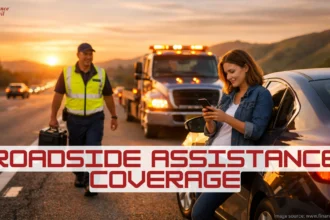
Your car picks the worst moments to give up on you. A flat tire on a dark stretch of I-95. A dead battery in a Chicago parking garage at midnight. An empty gas tank miles from the nearest exit on Route 66. These are not rare scenarios; they happen to millions of American drivers every year.
Without roadside assistance coverage, a single tow truck call can cost $109 or more, and that figure rises sharply after business hours or if you drive a larger vehicle. Locksmith services can run $50 to $100. Jump-starts alone can cost $50 or more. Add it all up and one bad day on the road can drain your wallet fast.
The good news: roadside assistance coverage through your auto insurance or a standalone plan can protect you from all of that, often for as little as $5 per year. This guide breaks down everything you need to know to choose the right plan, avoid common mistakes, and get back on the road without breaking the bank.
| EXPERT TIP: According to Forbes Advisor, Erie Insurance offers the best-priced roadside assistance coverage in the US at just $5 per vehicle, with unlimited service calls and 20-mile towing included. |
What Is Roadside Assistance Coverage?
Roadside assistance coverage is a service that provides emergency help when your vehicle breaks down or becomes inoperable on the road. It is typically offered in two ways: as an optional add-on to your existing auto insurance policy or as a standalone membership plan through motor clubs and specialty providers.
What makes roadside assistance coverage unique is that it kicks in even when no accident or covered loss has occurred. If you simply run out of gas, that is not a collision claim or a comprehensive claim. Without roadside assistance, you are on your own. With it, help is just one phone call away, 24 hours a day, 365 days a year.
Most carriers, including Geico, Erie, Nationwide, Progressive, State Farm, and Travelers, offer roadside assistance as a policy add-on. Motor clubs like AAA and Good Sam specialize in it, and some credit cards include a version of the benefit as well.
What Does Roadside Assistance Coverage Include?
While coverage varies by provider, most roadside assistance plans in the USA cover the following core services:
- Towing: Transport to the nearest repair shop if your vehicle cannot be fixed on-site, usually up to a set mileage limit (commonly 15 to 20 miles for insurance-based plans).
- Battery jump-start: A technician will jump your dead battery. Note that replacement battery costs are typically not covered, only the labor.
- Flat tire change: A technician will swap in your spare. If no spare is available, your car will be towed.
- Fuel delivery: Emergency gas (or other fluids like coolant) delivered to your location. You usually pay for the fuel itself.
- Lockout assistance: A locksmith will help if you are locked out of your vehicle.
- Winching: If your vehicle is stuck in mud, snow, or a ditch, some plans will pull it out, provided you are on a public road.
- Minor mechanical repairs: Some plans, including Erie and State Farm, include one hour of on-site mechanical assistance for issues like fluid leaks or belt problems.
- Trip interruption benefits: A growing number of plans reimburse hotel, food, and alternative transportation costs if your car breaks down far from home.
- Passenger transportation: A few plans will also transport you and your passengers to a safe location while your car is being serviced.
| IMPORTANT NOTE: Roadside assistance coverage does NOT replace your car insurance policy. It does not cover accident-related damages, medical expenses, or major repairs. Always maintain a full coverage auto policy alongside your roadside plan. |
Why Roadside Costs Are Higher Than Ever in the USA
Inflation has hit the auto services industry hard. The average cost of a tow in America has climbed to around $109, according to J.D. Power, and that is just the base rate. Per-mile charges run $2.50 to $7.00, and after-hours or heavy-vehicle fees can push the total significantly higher. Locksmith services now routinely cost $50 to $100 for a standard lockout.
Meanwhile, newer vehicles are increasingly complex. Modern cars with more electronics, safety systems, and electric or hybrid drivetrains can require specialized towing equipment, which costs more. And as more Americans drive longer distances for work and leisure, the odds of a breakdown occurring far from home continue to rise.
The result: drivers without roadside assistance coverage are exposed to growing out-of-pocket costs they may not be prepared for. Having a plan in place is not just convenient. It is financially prudent.
2026 Roadside Assistance Plans: Side-by-Side Comparison
Use this table to compare the top roadside assistance plans available to US drivers in 2026. Data sourced from Forbes Advisor analysis.
| Provider | Annual Cost | Tow Limit | Service Calls | Mechanical | Family | Winching |
| Erie | $5 | 20 miles | Unlimited | Yes | No | Yes |
| Geico | $14 | 20 miles | Unlimited | No | No | Yes |
| Nationwide | $22 | 15 miles | Unlimited | No | Yes | Yes |
| Good Sam | $50 | Unlimited | Unlimited | No | Yes | Yes |
| AAA | $59+ | 3-7 miles | 4/year | Yes | Yes | Yes |
| Allstate | $79 | 10 miles | 3/year | No | Partial | No |
| AARP | $66 | 10 miles | 5/year | No | Yes | No |
How to Compare Roadside Assistance Coverage: What Really Matters
Not all roadside assistance plans are created equal. Before you commit to a plan, evaluate these key factors:
1. Towing Mileage Limits
This is one of the most important variables. A plan that only tows you 3 miles (like basic AAA in some states) may not get you to a repair shop in a rural area. Insurance-based plans from Erie and Geico offer 20-mile tows, while USAA’s plan goes up to 50 miles. Good Sam’s Platinum plan has unlimited towing.
2. Service Call Limits
Some plans cap how many times per year you can call for help. Allstate limits you to 3 service calls; AARP allows 5. Erie, Geico, Nationwide, and Good Sam all offer unlimited service calls, which is ideal for frequent drivers or those with older vehicles.
3. Driver vs. Vehicle Coverage
Some plans follow the driver, meaning you are covered in any vehicle you are operating. Others follow the vehicle, meaning anyone driving your covered car can use the benefit. AAA, for example, covers the member regardless of which vehicle they are in or if they are a passenger.
4. Family Member Coverage
If you have household members who drive, look for plans that extend coverage to them. Nationwide covers all household family members when driving any car, as a passenger. Good Sam’s Platinum plan covers a spouse or domestic partner and dependent children under 25. Erie’s plan does not extend to family members.
5. Extra Benefits
Some plans include trip interruption reimbursement (meals, lodging, transport if you are stranded far from home), rental car discounts, travel perks, and even theft rewards. Allstate’s plan offers $1,500 in trip interruption coverage. Good Sam members get discounts on campgrounds, hotels, and dining.
6. Interaction with Your Insurance Rates
A critical consideration: using roadside assistance through your car insurance company can sometimes be counted as a claim, which may affect your rates. This is not universal, but it is worth asking your insurer about their specific policy before signing up. Standalone motor club memberships like AAA do not affect your insurance rates at all.
7 Tips to Lower Your Roadside Assistance Costs Without Losing Coverage
1. Add it to your auto insurance policy. Insurance-based roadside assistance typically adds just a few dollars per month to your premium, making it far cheaper than standalone memberships. Amica offers it for less than $20 per year on average.
2. Check what you already have. Your credit card, car manufacturer’s warranty, or employer benefits may already include roadside assistance. Honda covers it for 3 years or 36,000 miles on new vehicles. Kia’s coverage lasts 3 years from sale.
3. Match the plan to your vehicle’s age. Vehicles 10 years old or older are four times more likely to need a tow than newer cars. If you drive an older vehicle, unlimited service calls and a generous tow mileage limit are worth the investment.
4. Skip add-ons you do not need. If you mostly drive locally and rarely travel long distances, you may not need trip interruption coverage. Tailor your plan to your actual driving habits.
5. Bundle for savings. Adding roadside assistance to an existing full coverage auto policy is almost always cheaper than buying a standalone plan. Ask your agent about bundling options.
6. Use a pay-per-use option as a backup. Providers like AAA On Demand and Allstate’s basic program allow you to pay only when you need service, with no annual fee. This works well as a secondary option if you already have some coverage.
7. Keep up with regular vehicle maintenance. Timely oil changes, properly inflated tires, and regular battery checks reduce the likelihood you will ever need roadside assistance. Prevention is always the cheapest plan.
Common Mistakes to Avoid When Choosing Roadside Assistance Coverage
- Assuming your current auto insurance already includes it. Standard policies almost never include roadside assistance. You must opt in separately.
- Choosing based on price alone. A $5 plan with a 5-mile tow limit and only 2 service calls per year may cost you more in the long run than a $22 plan with unlimited everything.
- Overlapping coverage unnecessarily. If your credit card and your insurer both offer roadside assistance, you may be paying twice. Review all your current benefits before adding another plan.
- Not knowing your coverage limits before an emergency. Read your policy in advance. Know your tow mileage limit, service call limit, and whether your plan covers you in a rental car or as a passenger.
- Forgetting to keep your provider’s number accessible. Save the roadside assistance phone number in your phone and keep a written copy in your glove box alongside your policy number.
Who Should Get Roadside Assistance Coverage?
Roadside assistance is a smart investment for nearly every American driver, but it is especially valuable if any of the following apply to you:
- You drive a vehicle that is 10 or more years old.
- You have a long daily commute or frequently drive in rural or unfamiliar areas.
- You travel regularly for work or take road trips.
- You are not confident in your ability to change a tire, jump a battery, or perform minor repairs.
- You have teen drivers in your household.
- You drive an electric or hybrid vehicle, which may require specialized towing equipment.
| REAL-WORLD EXAMPLE: A family in rural Tennessee broke down on Interstate 40 late on a Friday night. Because they had roadside assistance coverage through their Nationwide policy, a tow truck arrived within 45 minutes at no out-of-pocket cost, and the family received transportation to a nearby hotel while the car was repaired. Without coverage, the tow alone would have cost over $200 for the mileage involved. |
The Bottom Line on Roadside Assistance Coverage
Roadside assistance coverage is one of the most underrated and affordable protections available to American drivers. For as little as $5 per year, you can ensure that a flat tire, dead battery, or empty gas tank never leaves you stranded, exposed, or facing a surprise bill of $100 or more.
The key is matching your plan to your needs. If you drive an older car, prioritize unlimited service calls and a generous tow mileage limit. If you have a family, look for plans that cover household members. If you travel frequently, trip interruption benefits are worth seeking out.
The cheapest option is not always the best, but the best option does not have to be expensive. Erie’s plan at $5, Geico’s at $14, and Nationwide’s at $22 all represent strong value depending on your priorities. Compare your options, review your existing coverage, and make an informed decision before you need it.
Do not wait for a breakdown to find out you are not covered. Take five minutes today to review your policy or compare plans, because the time to get roadside assistance coverage is always before you need it.
Frequently Asked Questions About Roadside Assistance Coverage
What does roadside assistance coverage typically include in the USA?
Most roadside assistance plans in the USA cover towing (up to a mileage limit), battery jump-starts, flat tire changes, fuel delivery, and lockout assistance. Premium plans may also include winching, minor mechanical repairs, passenger transportation, and trip interruption reimbursement for meals and lodging.
How much does roadside assistance coverage cost?
Costs vary widely. Insurance-based add-ons can cost as little as $5 to $20 per year per vehicle. Standalone motor club memberships like AAA run $50 to $100 or more annually. Amica offers coverage for less than $20 per year on average, while Erie’s plan is the most affordable at just $5 per vehicle.
Does roadside assistance come with standard car insurance?
No. Roadside assistance is almost never included in a standard auto insurance policy. It must be added separately as an optional endorsement or rider. Some full coverage policies offer it as a bundled add-on, but you should always confirm with your insurer.
Will using roadside assistance raise my car insurance rates?
It depends on your insurer. Some companies treat roadside assistance claims as policy claims, which could potentially affect your rates if used repeatedly. Other insurers and all standalone motor club memberships (like AAA) do not impact your auto insurance rates at all. Always ask your provider before signing up.
What is the difference between roadside assistance and a motor club membership?
Insurance-based roadside assistance is typically cheaper and simpler, bundled into your auto policy. Motor club memberships like AAA or Good Sam are standalone products that may include additional perks like travel discounts, maps, and hotel deals, but they cost more and are separate from your insurance policy.
Can I use roadside assistance in a car I don’t own?
Many roadside assistance plans follow the driver, not the vehicle, meaning you are covered whether you are driving your own car, a rental, a friend’s car, or riding as a passenger. However, some plans (like Geico’s) follow the vehicle. Always verify with your specific provider.
Is roadside assistance worth it?
Yes, for most drivers. A single tow can cost $109 or more. Roadside assistance coverage from as little as $5 to $22 per year provides unlimited peace of mind in exchange for a fraction of what one uncovered breakdown would cost. It is especially worth it if you drive frequently, have an older car, or travel long distances.
What should I do if I break down and don’t have roadside assistance?
If you are blocking traffic, call 911. If you are safely off the road, call a local tow company directly (costs will be out-of-pocket). Some states like California have roadside call boxes on freeways where you can call 511 for assistance. Some credit cards also offer dispatch services at no charge, though you may still pay for the service itself.
How do I activate roadside assistance?
Call the number on your insurance card or membership card. Many providers also offer mobile apps where you can request help, track a tow truck in real time, and share your GPS location automatically. Keep your provider’s contact number saved in your phone and written in your glove box.
Does full coverage car insurance include roadside assistance?
Not automatically. Full coverage (comprehensive plus collision) is required by most insurers before they will allow you to add roadside assistance as an add-on. But full coverage itself does not include roadside assistance; it must still be added separately.