




Taking out a cash advance from your credit card at an ATM can provide quick access to cash when you need it. However, it’s a transaction that typically comes with high fees and interest charges, so it’s best to avoid it unless necessary. This comprehensive guide explains how to get cash from a credit card at an ATM, the costs involved, and alternatives to consider first.
What is a Cash Advance?
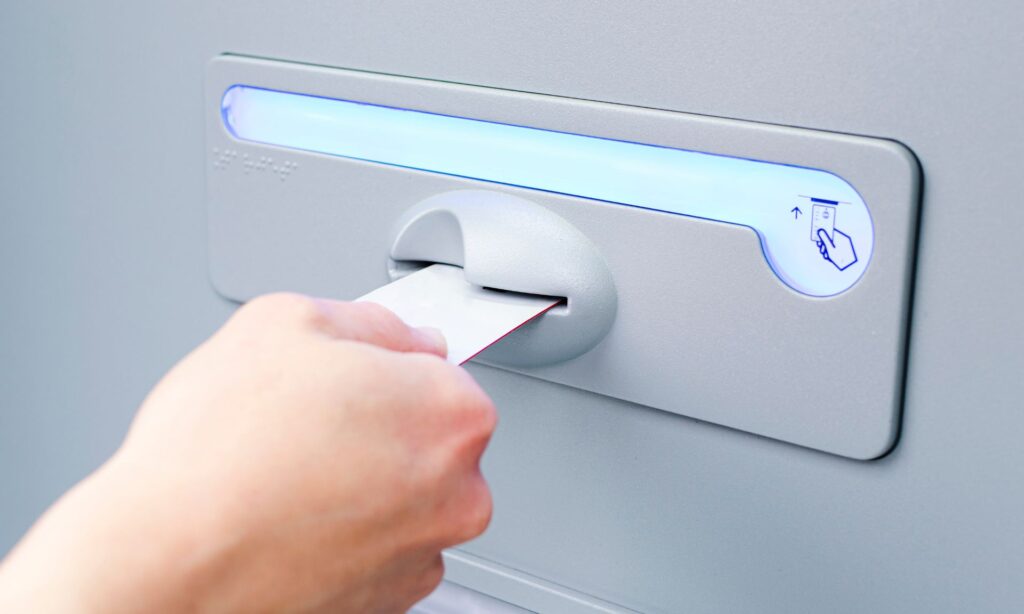
A cash advance refers to withdrawing cash from your credit card account, essentially treating your credit line like a short-term loan. When you use your credit card at an ATM to get cash, you are initiating a cash advance transaction.
Unlike a normal credit card purchase, a cash advance does not have a grace period – interest begins accruing immediately on the advanced amount. Cash advance APRs also tend to be much higher than regular purchase APRs, often 20-25% or more.
In addition to paying a high-interest rate, cash advances incur upfront fees that make them an expensive way to get cash. Most issuers charge a cash advance fee, typically around 3-5% of the total amount withdrawn with a minimum of $5-10.
READ ALSO: How Many Credit Cards Is Too Many? The Ultimate Guide
How to Get Cash From a Credit Card at an ATM
If you decide to proceed with a cash advance despite the costs, here are the typical steps:
- Insert your credit card into an ATM and enter your credit card PIN.
- Select the “Cash Advance” or “Withdrawal” option from the main menu.
- Enter the amount of cash you wish to withdraw (up to your cash advance limit).
- Review and accept any disclosed fees for the transaction.
- Complete the withdrawal and take your cash.
Some ATMs may prompt you to select “Credit” rather than “Checking” when initiating the cash advance. Just follow the on-screen instructions for a cash or credit card withdrawal.
It’s wise to only withdraw as little cash as you absolutely need since the fees and interest can make cash advances extremely expensive, especially if you carry that balance over multiple billing periods.
Things to Consider Before Taking a Cash Advance
Before turning to a cash advance, carefully consider the major drawbacks and whether alternatives like borrowing from friends/family, getting a short-term personal loan, or using a debit card would be better options:
Upfront Cash Advance Fees: As mentioned, your card issuer will charge a cash advance fee any time you withdraw cash from an ATM using your credit card. These fees typically range from 3-5% of the total amount withdrawn, with a minimum of $5-10 in many cases.
High-Interest Rates Cash advance: APRs are almost always much higher than the regular
purchase APR for your credit card. They commonly range from 20-25% or higher, so any unpaid cash advance balance will quickly accrue hefty interest charges from the date of withdrawal.
No Grace Period: Unlike with new purchases where you have a grace period to pay before interest is charged, cash advances start accruing interest immediately. This makes it critical to pay off the advance as quickly as possible.
Negative Credit Score Impact: Taking out a cash advance can potentially hurt your credit score in two ways:
- first, by increasing your overall credit utilization ratio as you add to your outstanding balance
- second, because lenders may view excessive cash advances as a signal that you are having trouble managing your finances responsibly.
With those major drawbacks in mind, cash advances should only be used as an absolute last resort for getting emergency cash when no other options are available. Let’s look at some smarter ways to quickly get the cash you need.
READ ALSO: Top Credit Card Issuers and Networks in the U.S. and Beyond
Alternatives to Credit Card Cash Advances
In most non-emergency situations, there are better ways to get the cash that won’t saddle you with massive fees and high-interest charges:
Use a Debit Card or Visit Your Bank: The cheapest way to get cash is to withdraw it directly from your checking account via debit card or visiting a branch. As long as you stick to in-network ATMs, you’ll only pay a small flat fee if any. Using a debit card is infinitely better than racking up high-interest debt with a cash advance.
Peer-to-Peer Payment Apps: Services like PayPal, Venmo, and Cash App can allow you to instantly transfer money from your credit card to someone else’s account for a flat 3% fee. While still cheaper than typical cash advance fees and interest, it’s best to transfer from a checking account if possible to avoid any chance of it coding as a cash advance.
Personal Loans: If you need to cover a larger expense and have decent credit, taking out a personal loan is often a better solution than a cash advance. Personal loan interest rates for qualified borrowers can be under 10% currently, compared to 20%+ for cash advances. You’ll receive your loan amount as a lump sum to pay off whatever bills or expenses you need.
Ask Friends or Family: In a true emergency where you need cash immediately, borrowing from someone you know and trust is preferable to an expensive cash advance if at all possible. Just be sure to pay them back quickly and maintain that trust.
Conclusion: When to Use a Cash Advance (and When to Avoid Them)
Credit card cash advances certainly have their place when you absolutely need access to cash quickly and have no better option available. For example, emergency medical expenses, paying for temporary housing after a disaster, or covering an urgent home repair bill could potentially justify a cash advance.
However, for day-to-day expenses and non-emergencies, cash advances should be avoided due to the excessive fees and high-interest rates involved. Whenever possible, use more affordable options like borrowing cash from friends/family, personal loans, peer-to-peer transfer apps like Venmo, or simply using your debit card or visiting your bank.
If you do need to take out a cash advance from your credit card, have a plan in place to pay off that balance as quickly as you can. The faster you can eliminate the cash advance balance, the less you’ll pay in interest fees over time. And as always, only withdraw the minimum amount of cash you need for the situation.
While credit card cash advances provide quick access to funds, the steep costs associated with them make it critical to minimize usage and seek out more affordable cash sources whenever possible. Be a responsible borrower and keep cash advances as an emergency backup plan rather than standard practice.
Cash Advance FAQs
How can I avoid cash advance fees on my credit card?
The only way to completely avoid cash advance fees is by not taking out a cash advance from your credit card at all. Cash advances always incur fees from your card issuer, typically around 3-5% of the total amount withdrawn. Using a debit card, personal loan, or borrowing from friends/family instead of a credit card cash advance will allow you to avoid these fees.
What’s the difference between a cash advance and a credit card cash withdrawal?
There is no difference – the terms “cash advance” and “credit card cash withdrawal” refer to the same type of transaction when you use your credit card to obtain cash from an ATM or bank teller. Withdrawing cash in this manner is considered a cash advance rather than a standard purchase.
Can I transfer a cash advance to my bank account?
Most credit card issuers do not allow direct transfers from your credit card to your bank account, as that transaction would be considered a cash advance and incur hefty fees and interest charges. However, you may be able to request a cash advance from your issuer in the form of an account credit or promotional checks which you could then deposit.
Does a cash advance from a credit card hurt your credit score?
A single cash advance is unlikely to drastically impact your credit scores. However, too many cash advances can potentially hurt your scores in two ways – by increasing your overall credit utilization ratio as you increase your outstanding balance, and because lenders may view repeated cash advances as a signal of financial distress and risk factor. It’s best to avoid cash advances when possible.
What’s the cash advance limit on my credit card?
Credit card cash advance limits can vary significantly depending on your card, credit limit, and credit history. Your cash advance limit is usually a percentage of your overall credit limit (e.g. 20%) or a set dollar amount like $500-$1000, whichever is lower. You can check your cash advance limit amount specifically by calling your card issuer or referencing your terms and conditions.
In another related article, Understanding How Cash Back Credit Cards Work